Founding of the 612 Sauna Society
An early and earnest spark in North America's thermic bathing revival

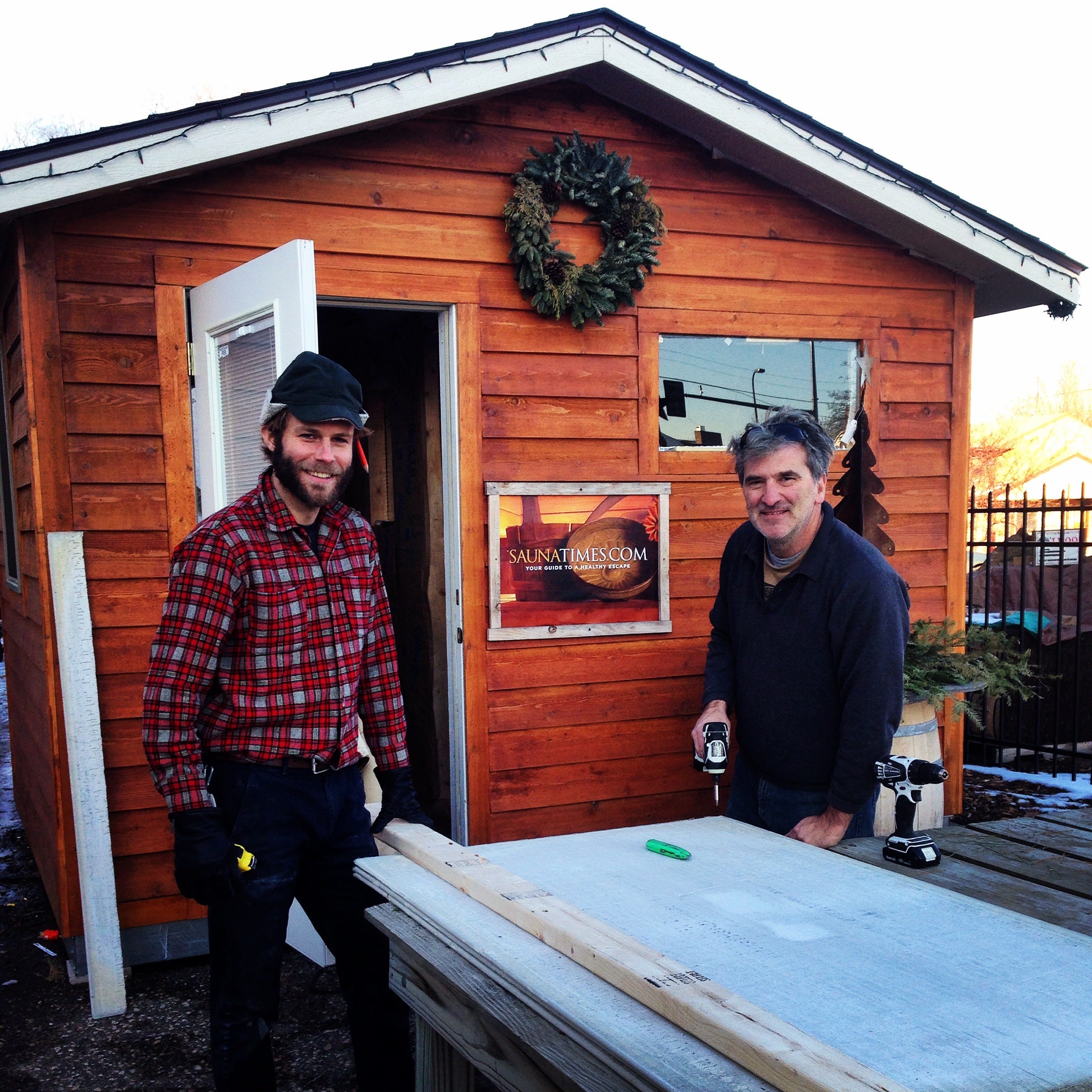
I started building my first mobile sauna in the alley of a maker space in South Minneapolis called The Hack Factory in the fall of 2012.
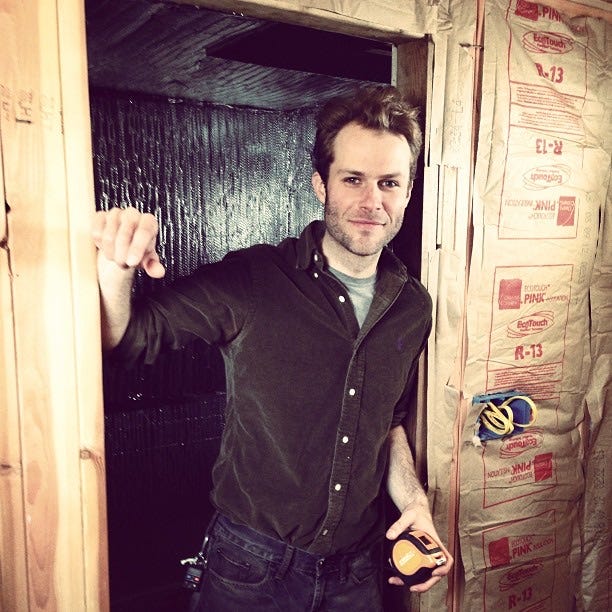
It took me almost two years to finish.
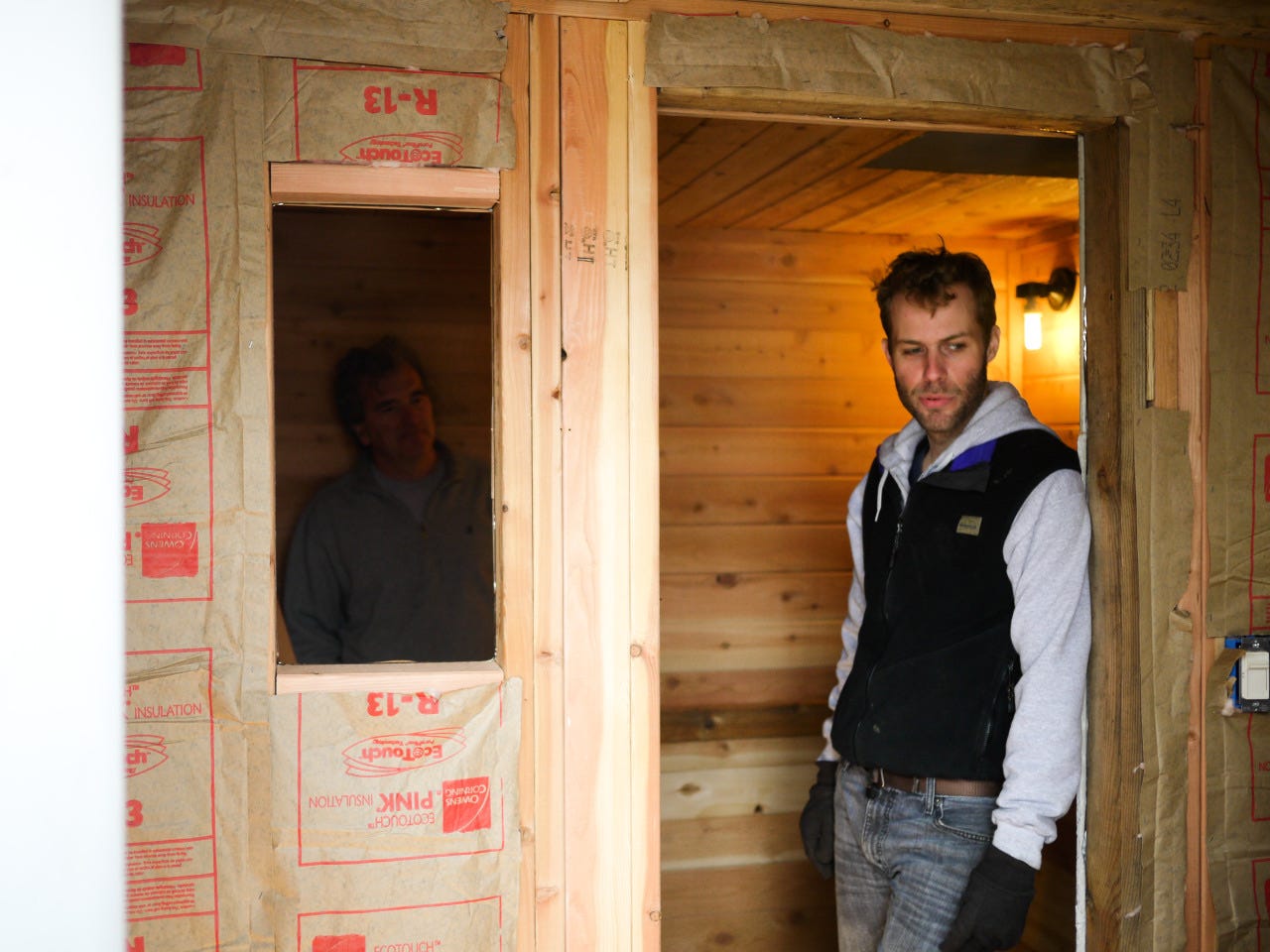
But eventually—and with lots of help from the Hack Factory maker community, tiny house builder Jim Wilkinson and Glenn Auerbach of Saunatimes—I got the sauna fired up and rolling by Christmas 2014. I named it The Firehouse and started hosting family, friends and neighbors and dubbed the club the 612 Sauna Society.
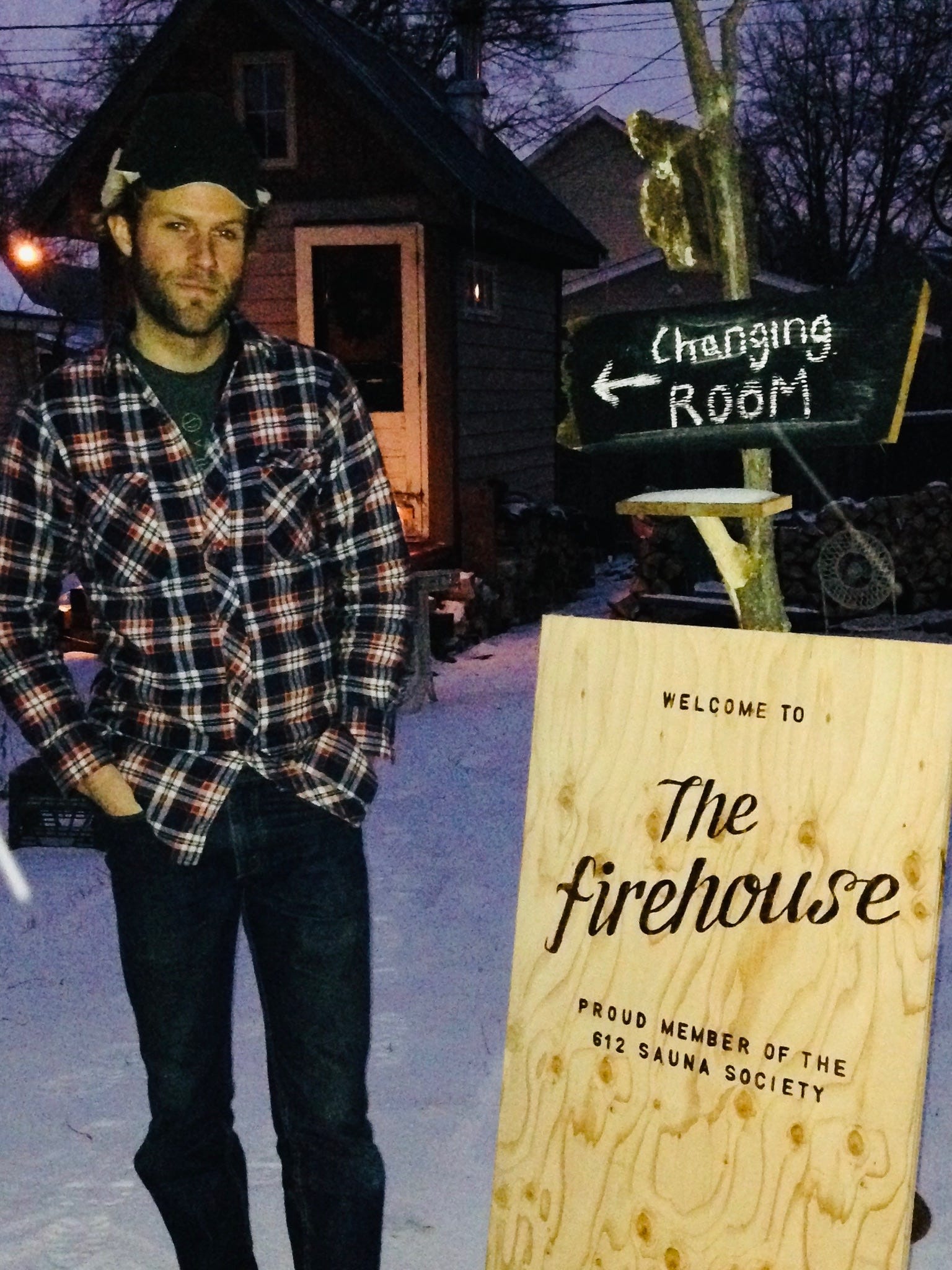
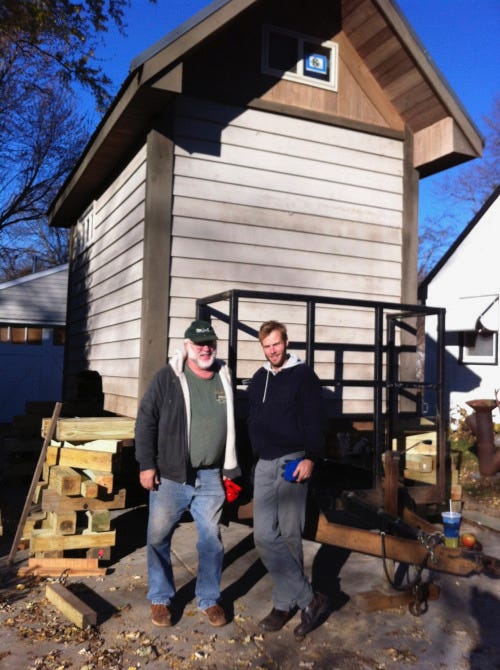
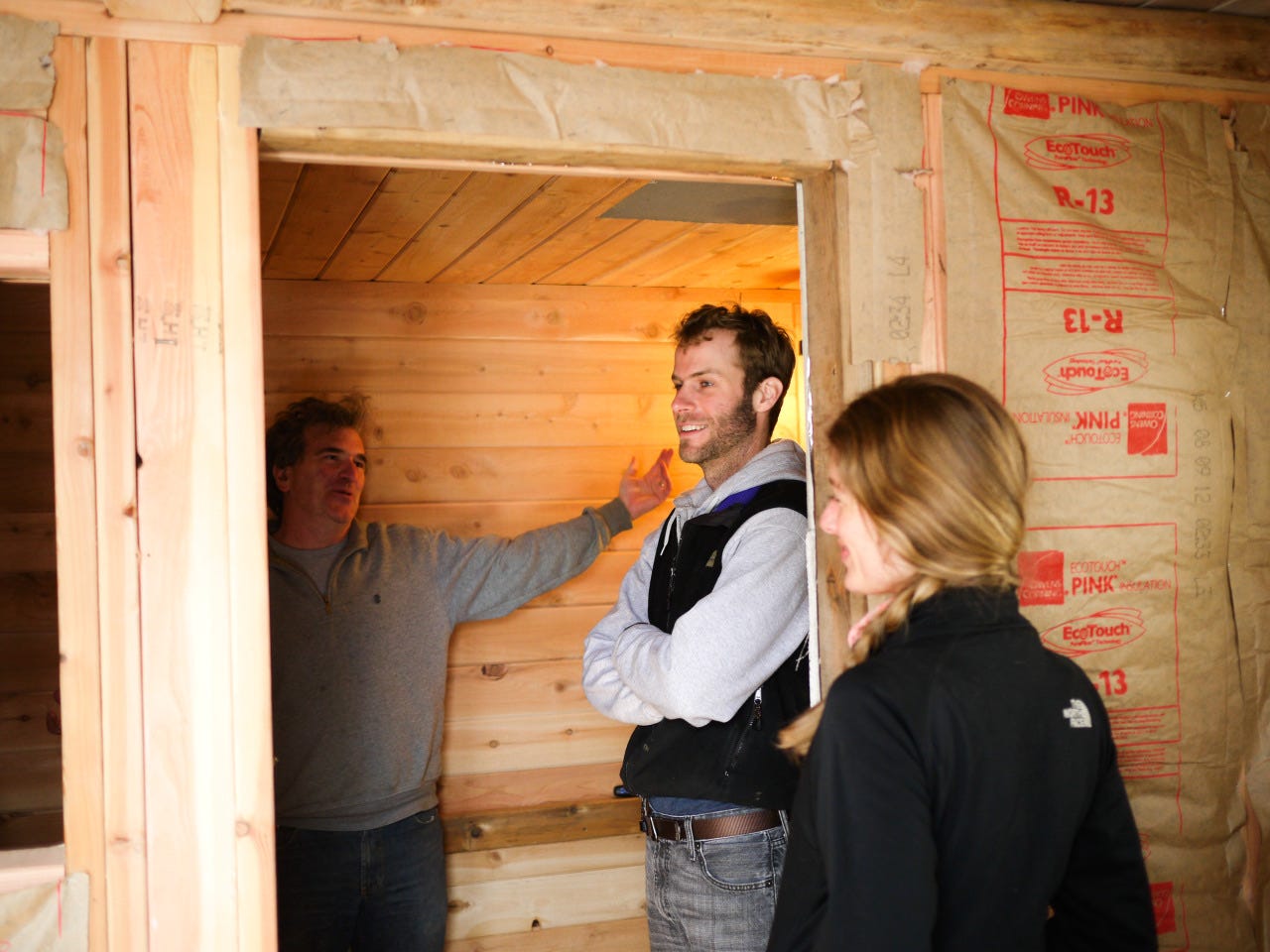
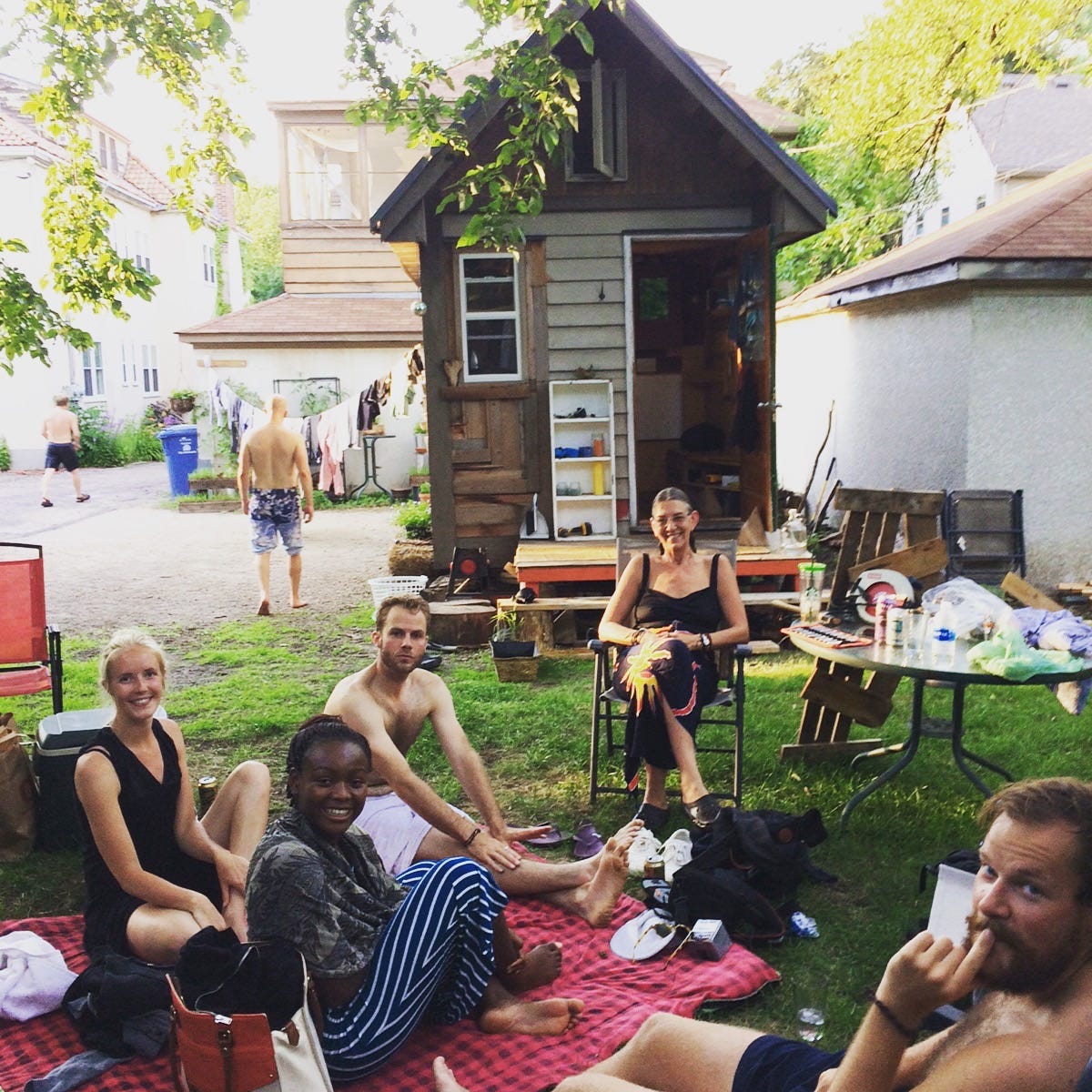
From 2013 to 2016 I hosted thousands of guests at The Firehouse (parked in friends’ backyards) as well as at Little Box mobile sauna, which propelled the project further into the public domain thanks to a collaboration with Placemaking firm The Musicant Group.

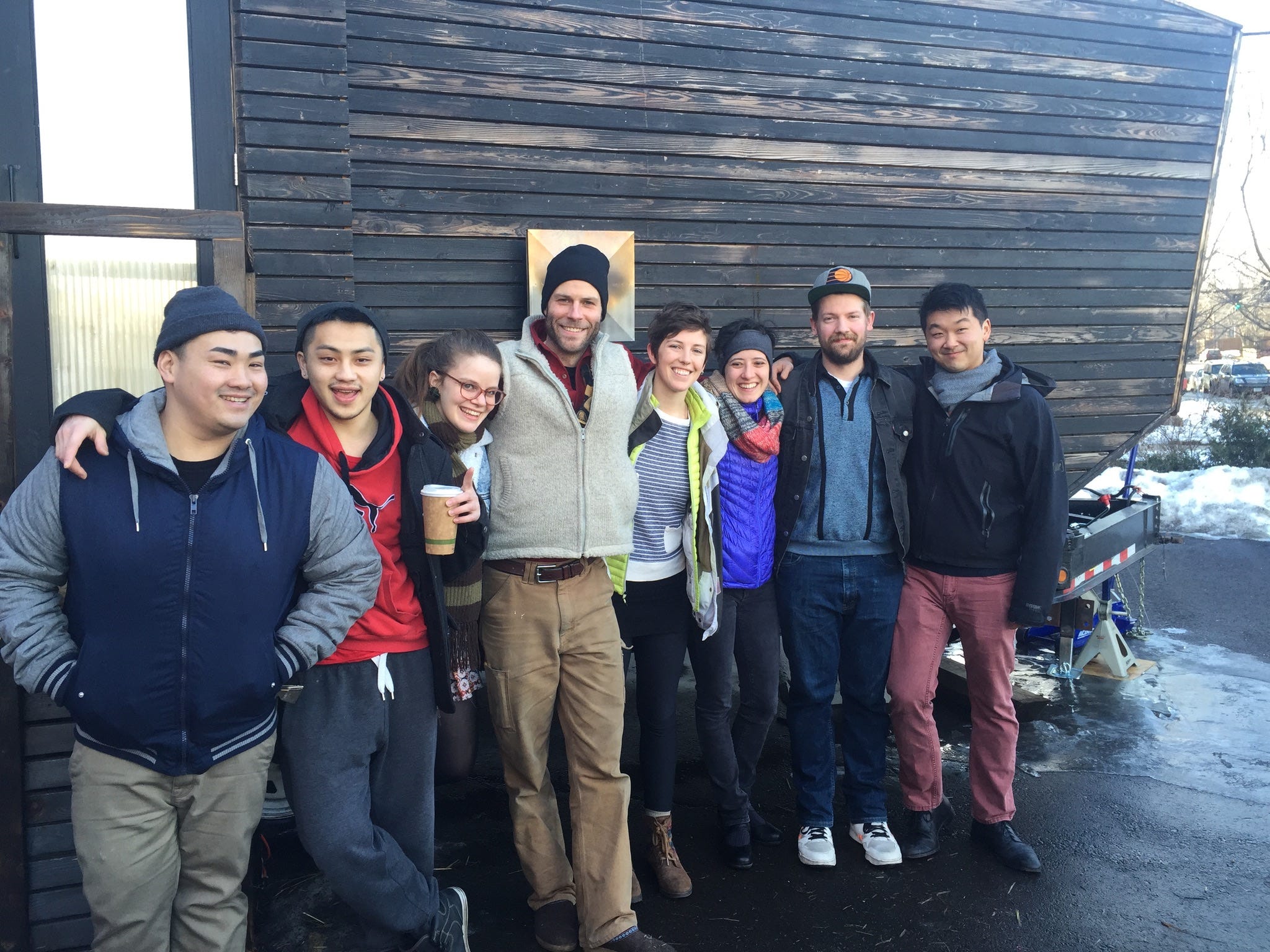
In 2016, I decided to transform the growing club into a formal cooperative to carry on the group’s tradition of transforming backyards, driveways and parking lots into sanctuaries of wellness, fellowship and thermic bathing stewardship.
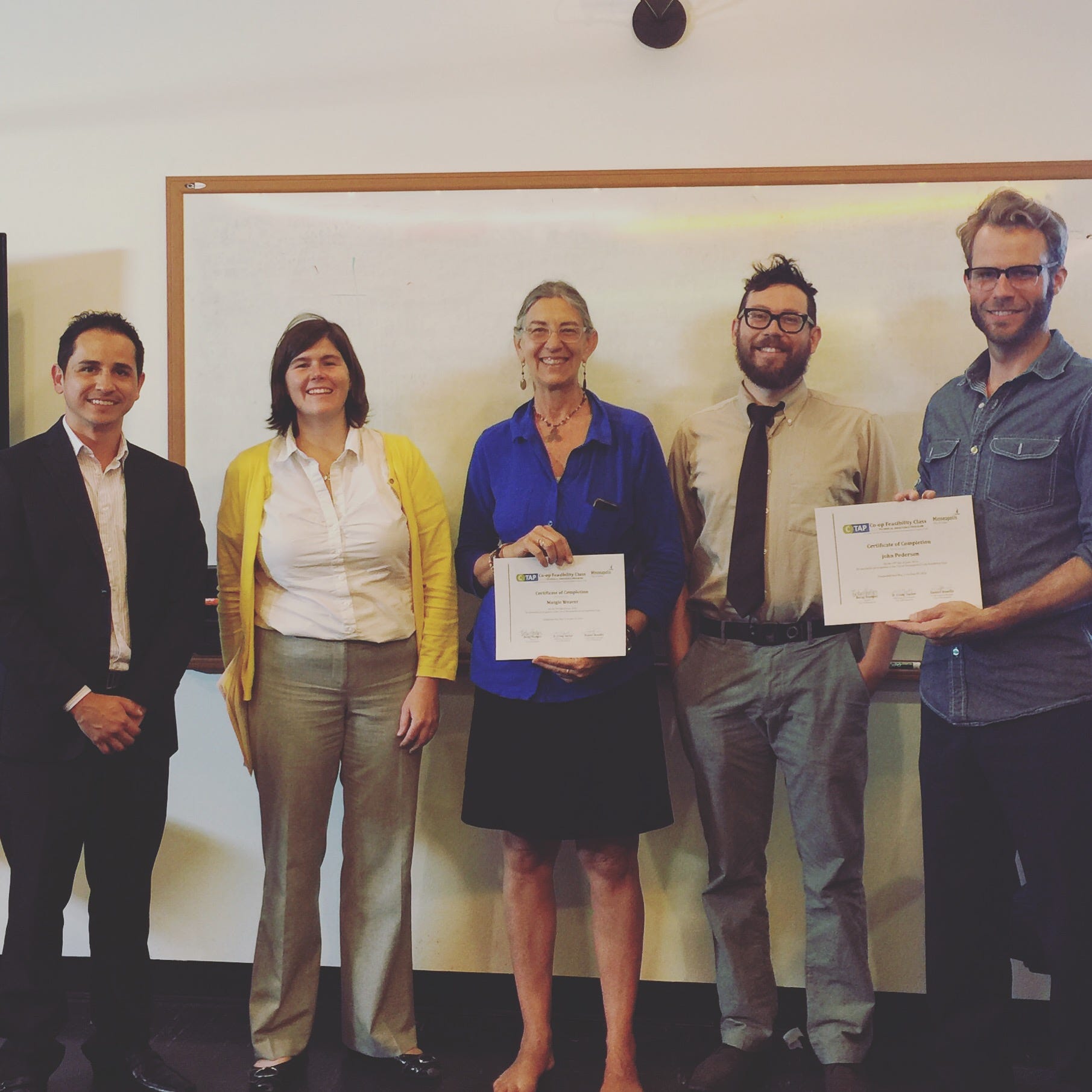
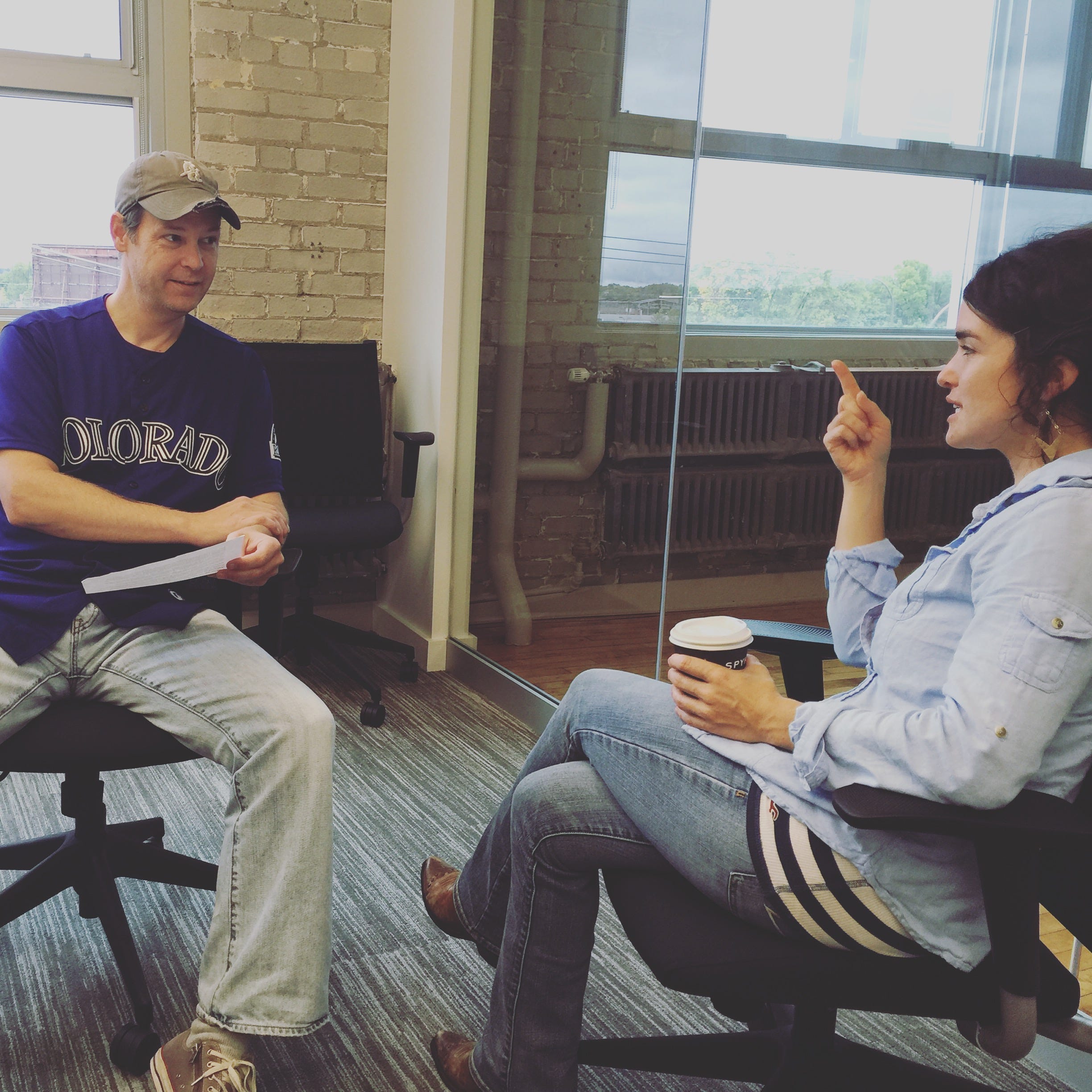
So I teamed up with Sauna Society pal and Orphan Wisdom mentor Margie Weaver to complete the City of Minneapolis’s first technical assistance course for Cooperative start-up businesses.
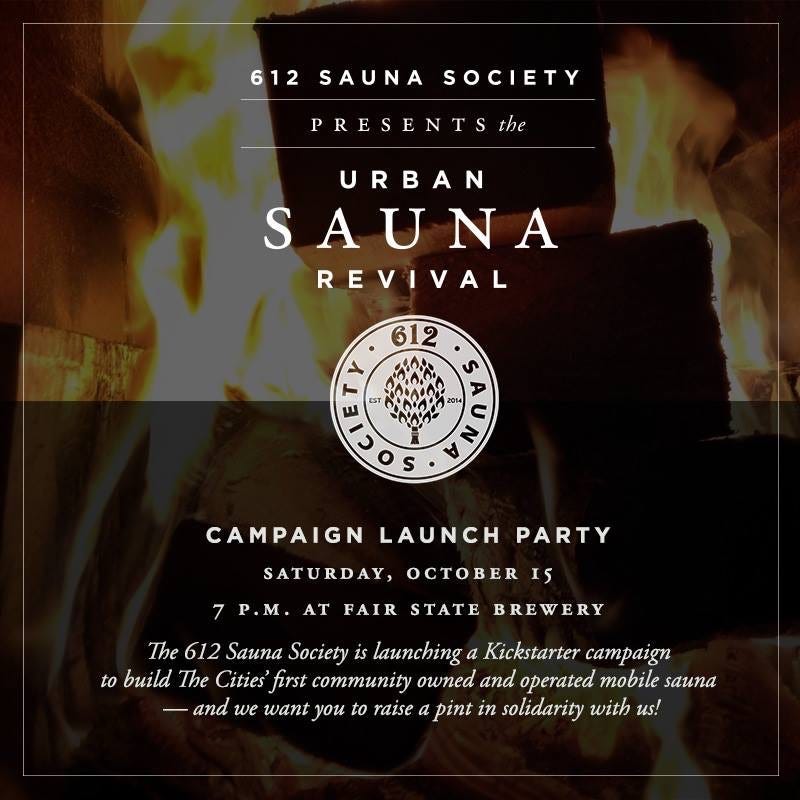
In September of 2016, Teke O’Reilly led a success kickstarter campaign raising $33,810 for a new mobile sauna the cooperative would operate at public residencies through the Twin Cities.
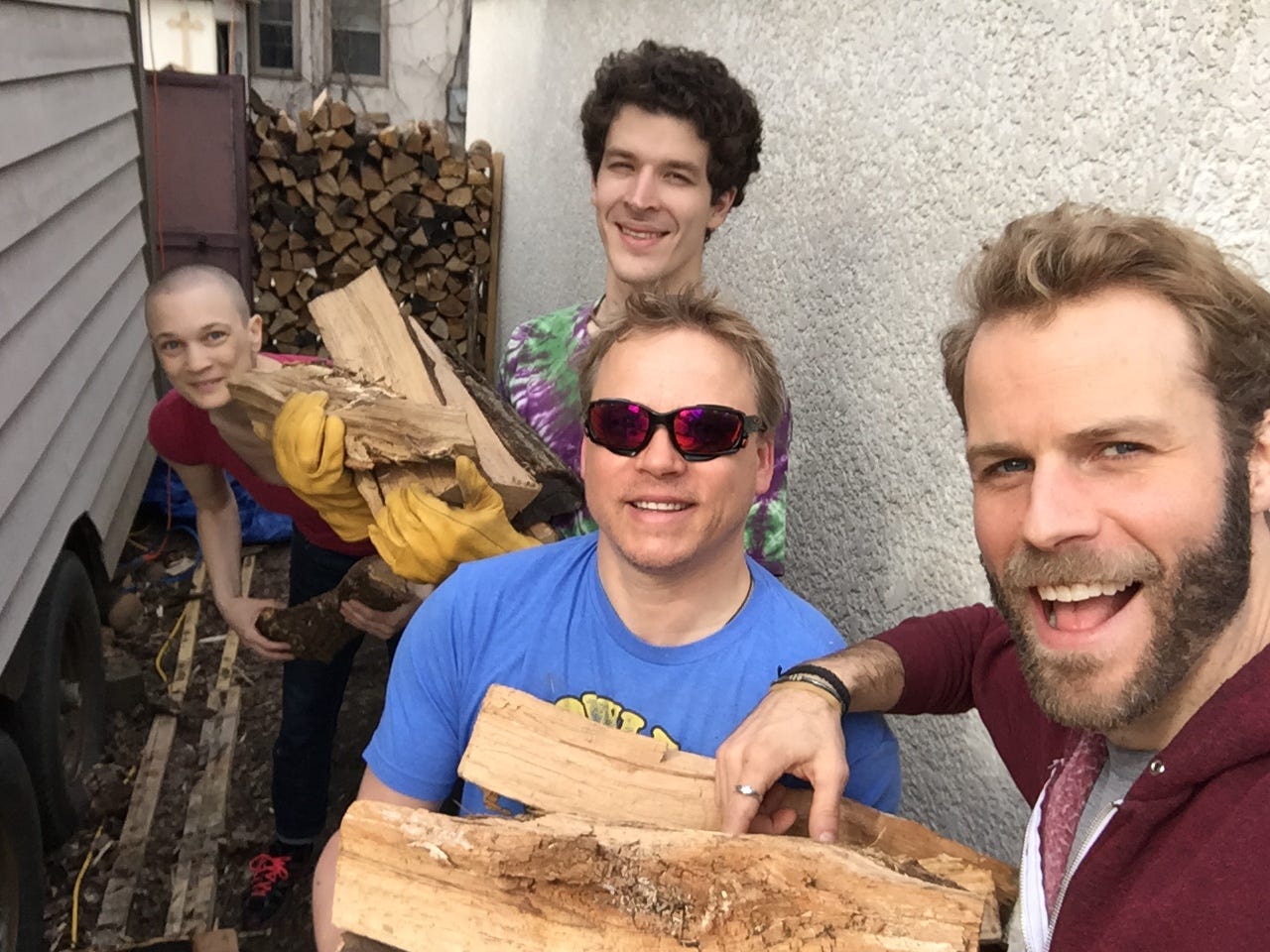
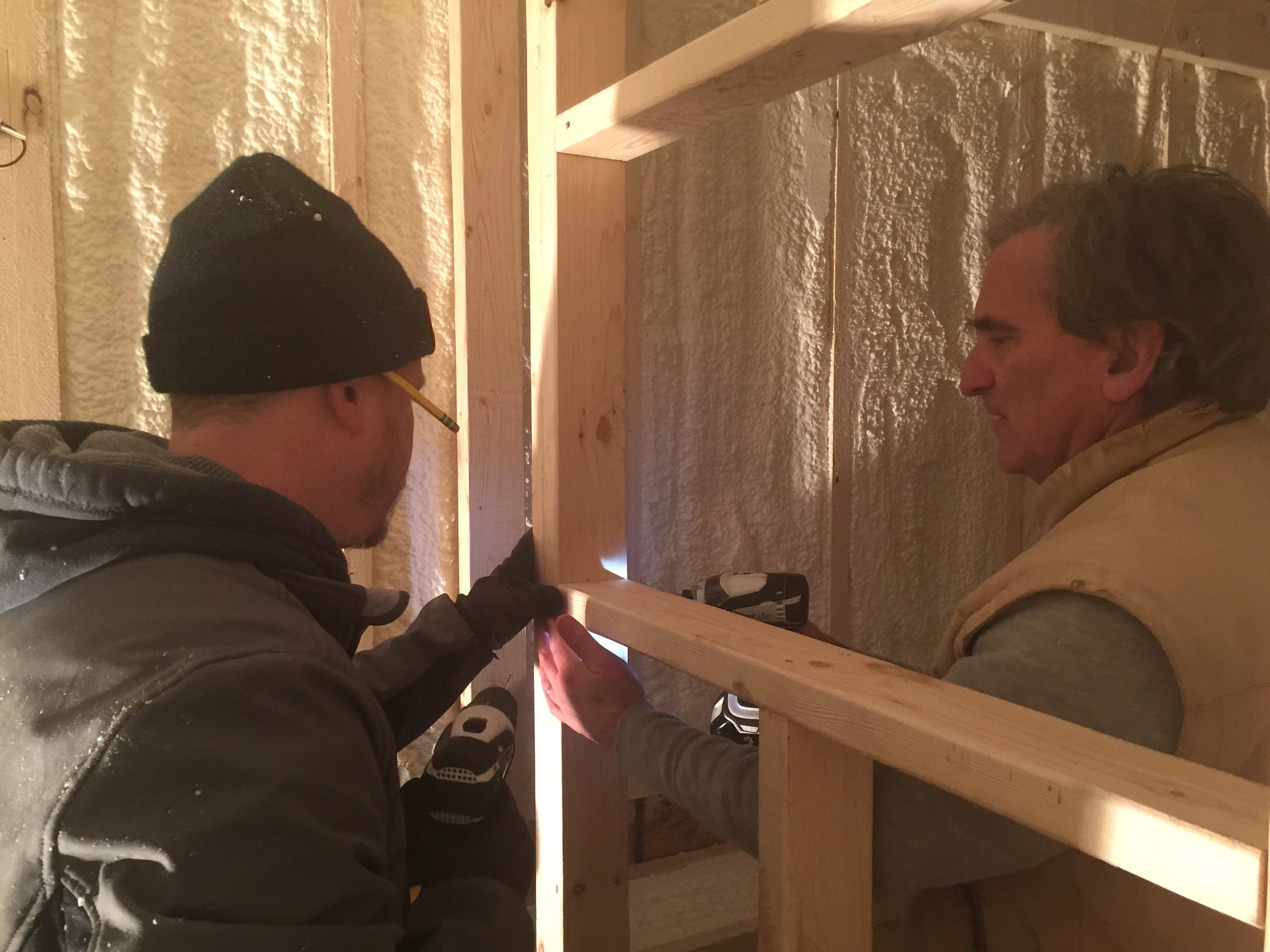
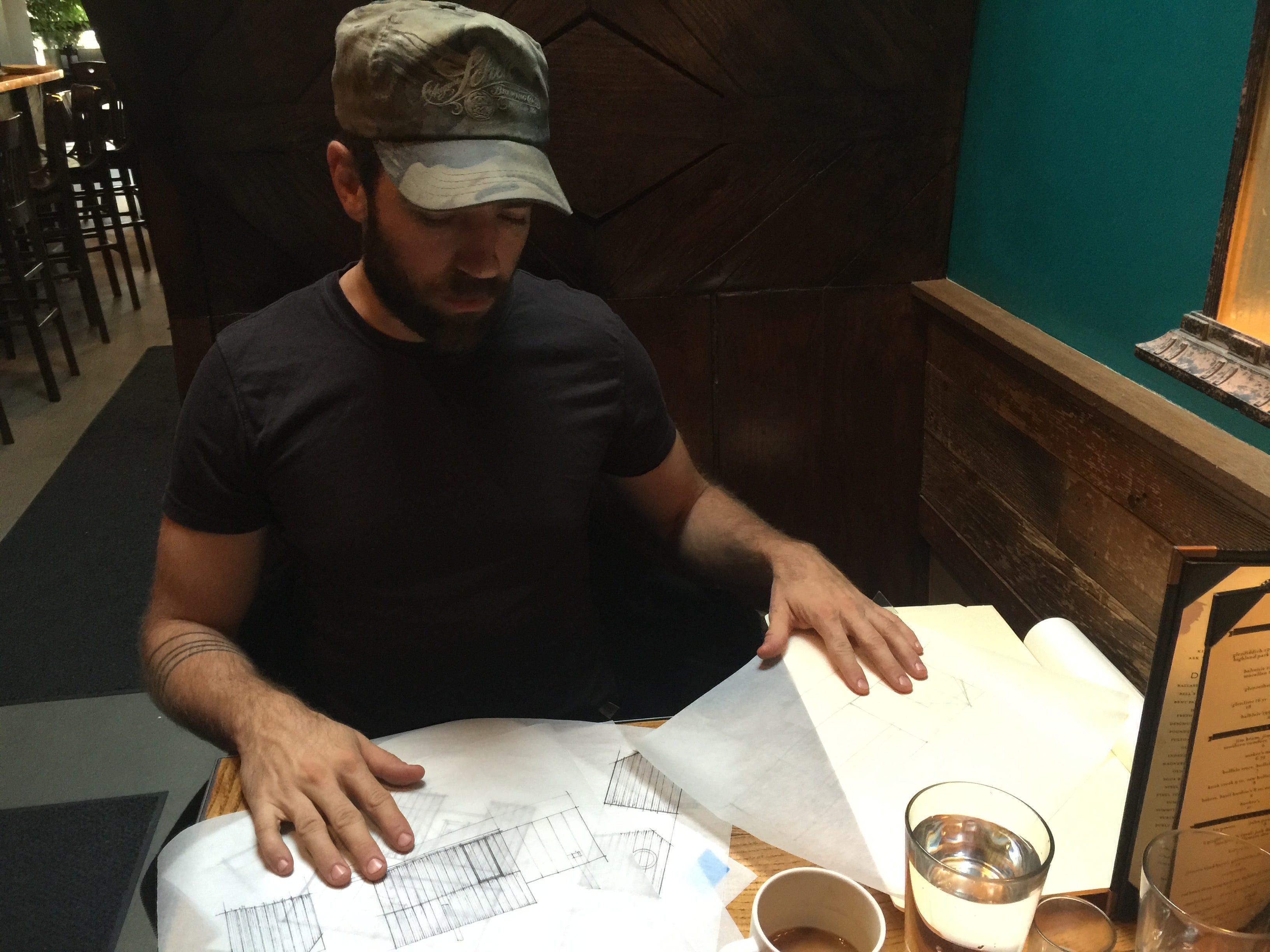
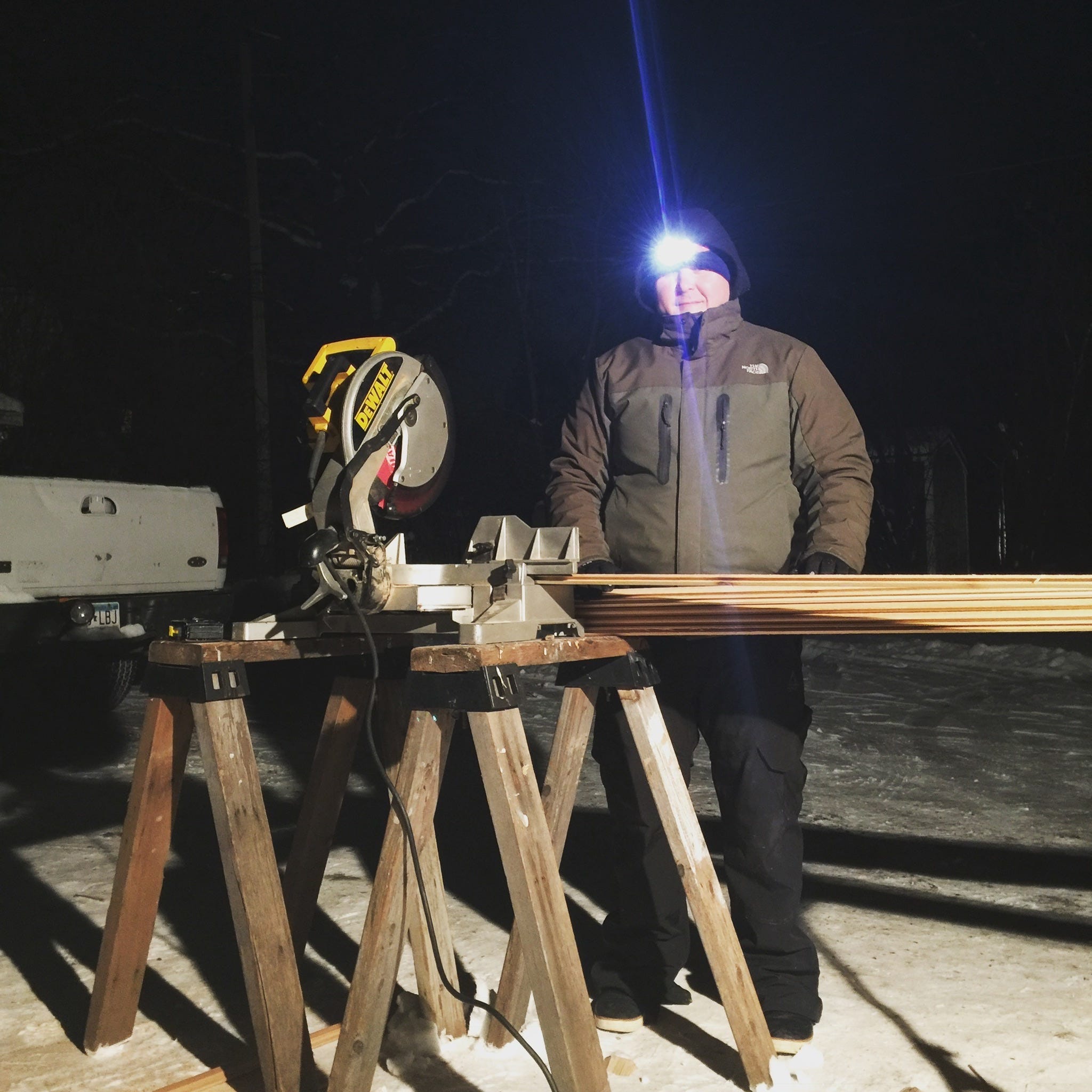
Construction on the new sauna began in November 2016 led by Glenn and a team of volunteers.
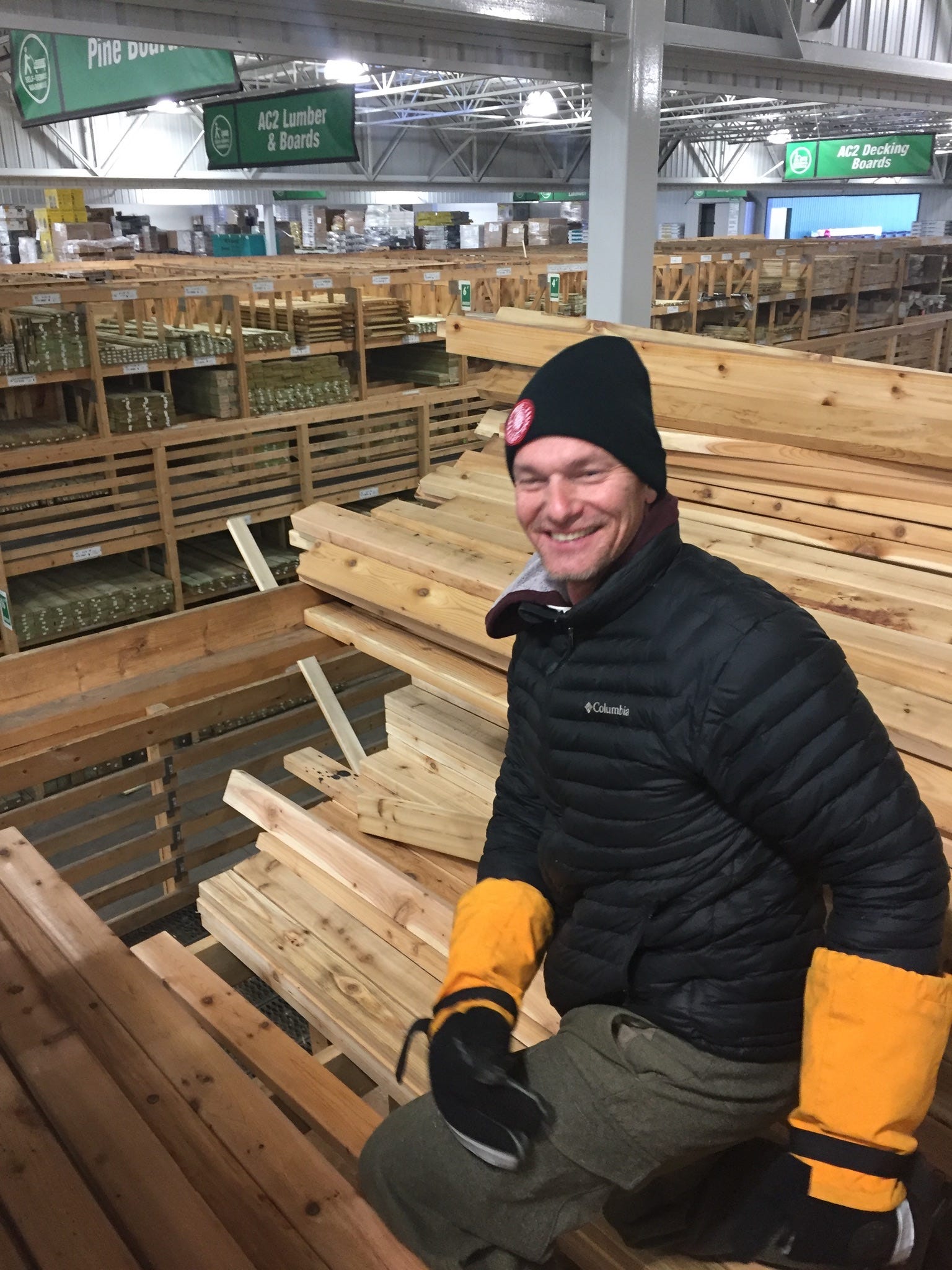
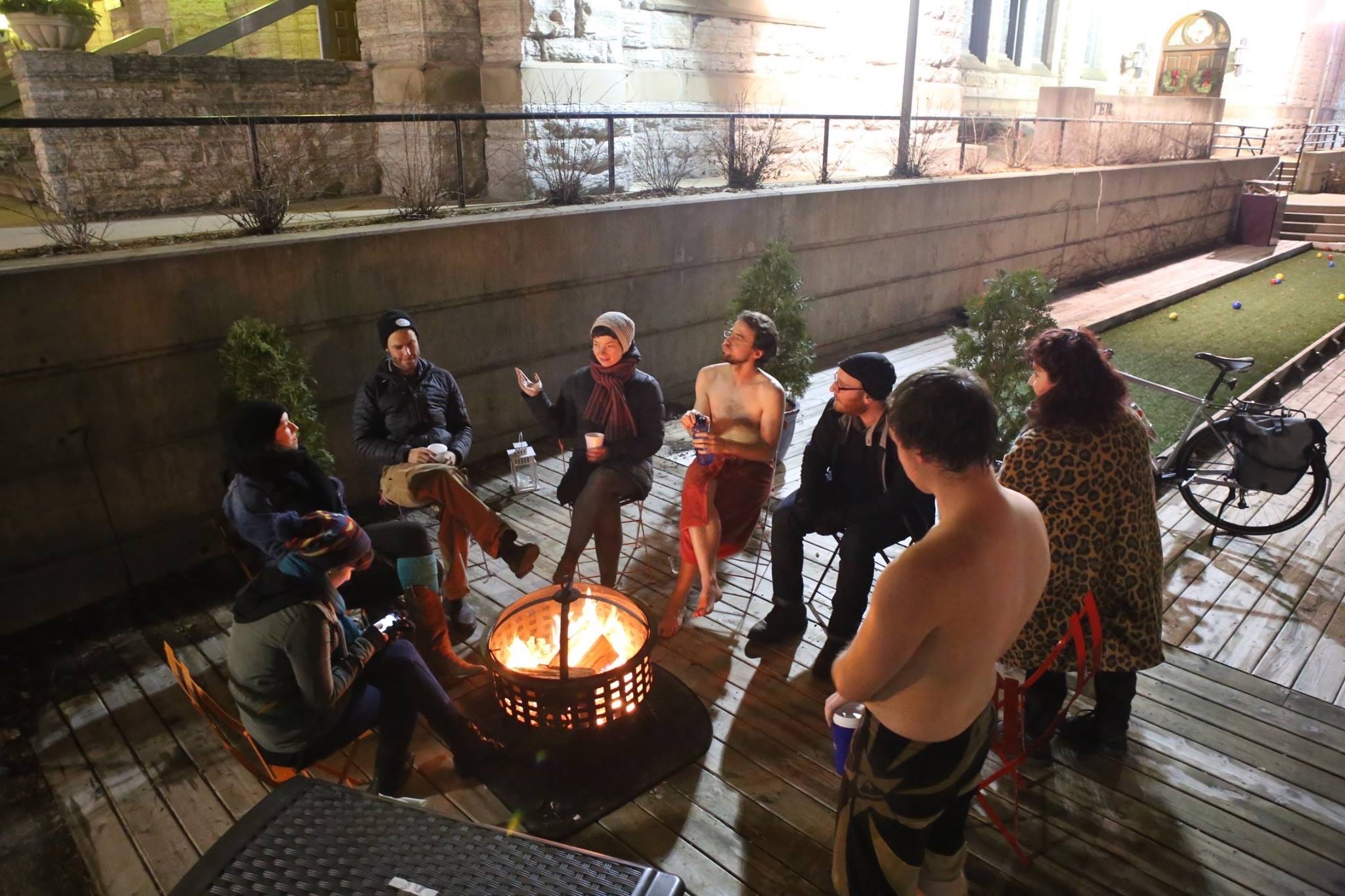
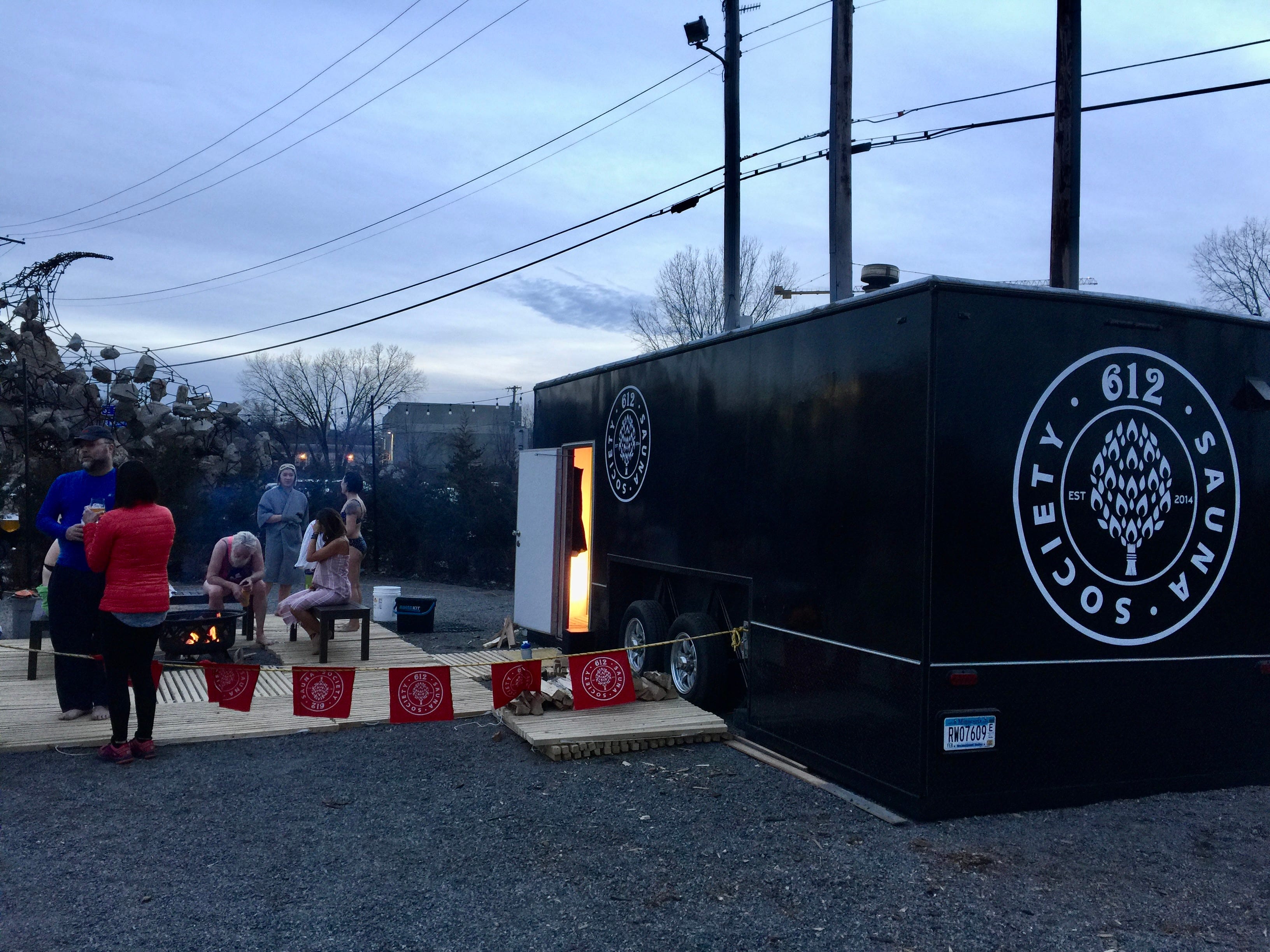
The 612 Sauna Society celebrated the Kickstarter’s success at the Surly Launch Party and debuted the new mobile sauna—named The Forge” by volunteer Sara Hill—during a month-long residency at Surly Brewing in January of 2017.
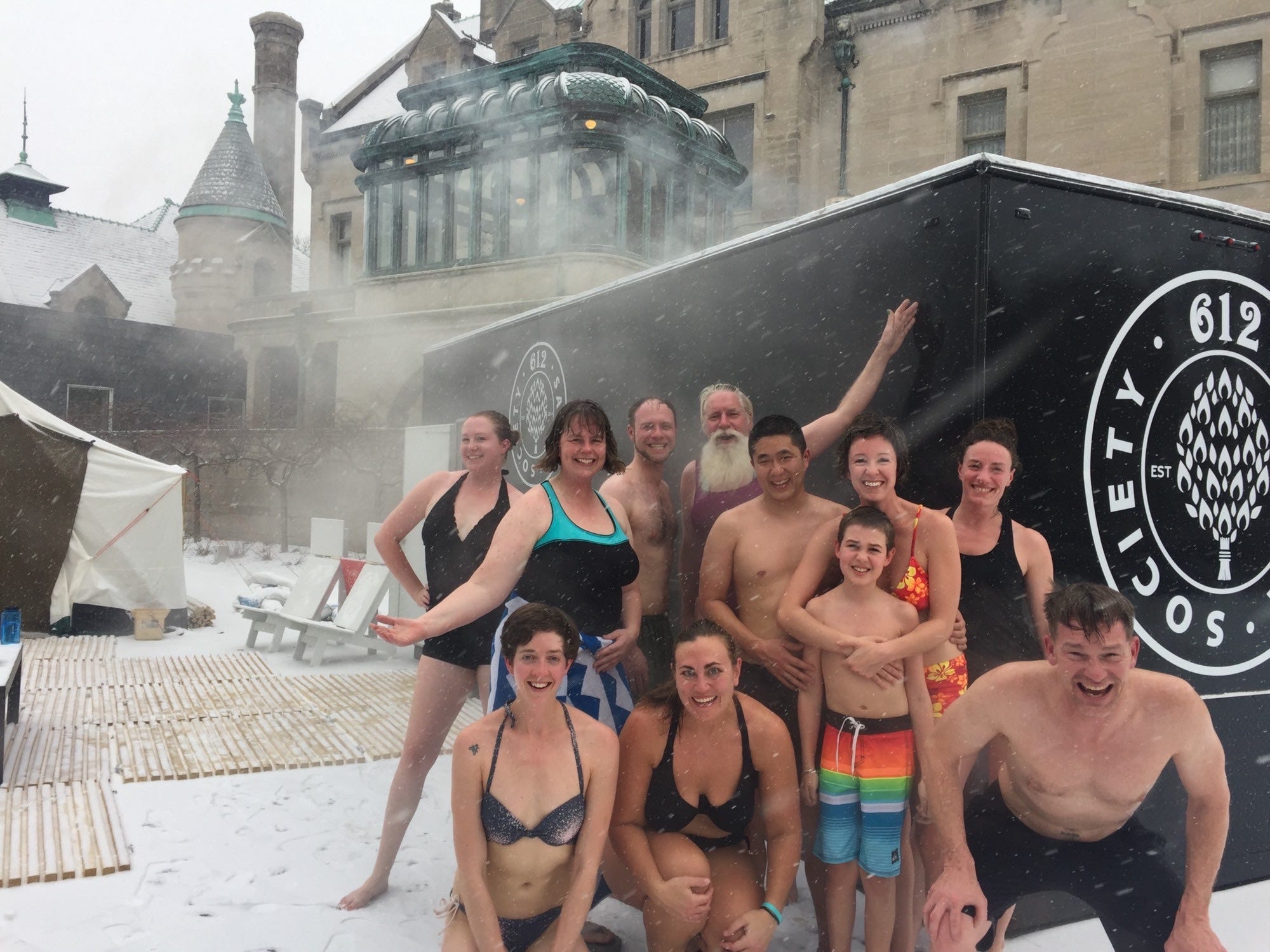
Forbes reported on the cooperative’s launch ceremony at ASI as well as the broader the Twin Cities sauna movement:
”While Pederson sometimes de-emphasizes his own role and talks up the co-op team, many recognize him as the progenitor of the 612 Sauna Society, a local Pied Piper of sauna enthusiasm. It started as a private thing led by John, says Rod Buhrsmith, currently president of the co-op. ‘Then several friends joined in.’ ” Read More
(Pied Piper of sauna enthusiasm — I think I’ll put that on my next run of business cards!)
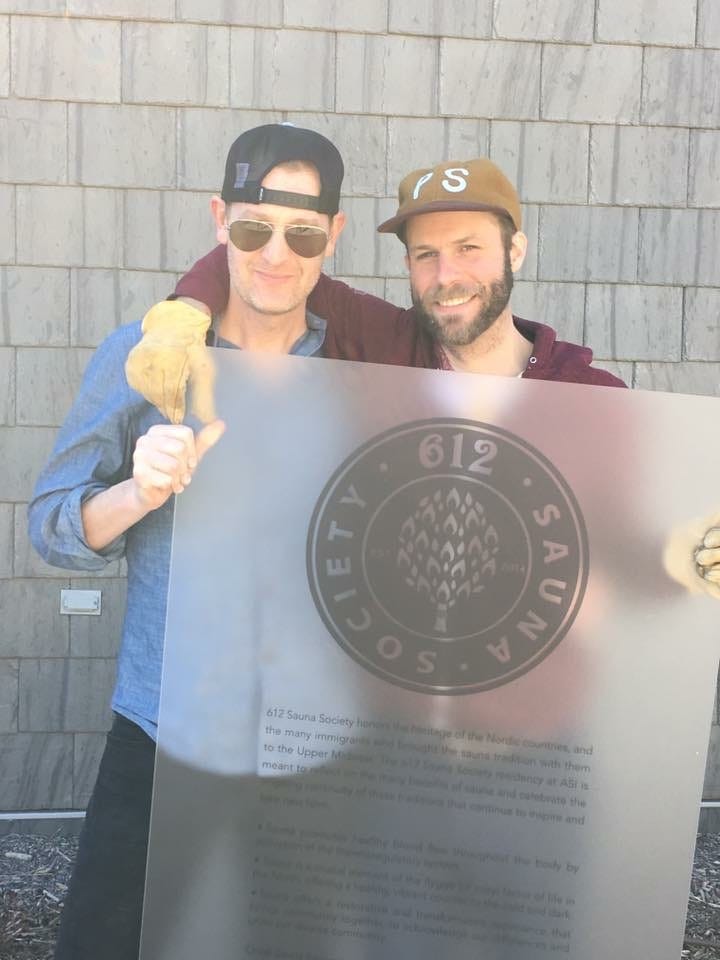
In April of 2017, Teke O’Reilly, Glenn Auerbach, Margie Weaver, Max Musicant, Rodney Buhrsmith and I became the Cooperative’s Founding Board of Directors.
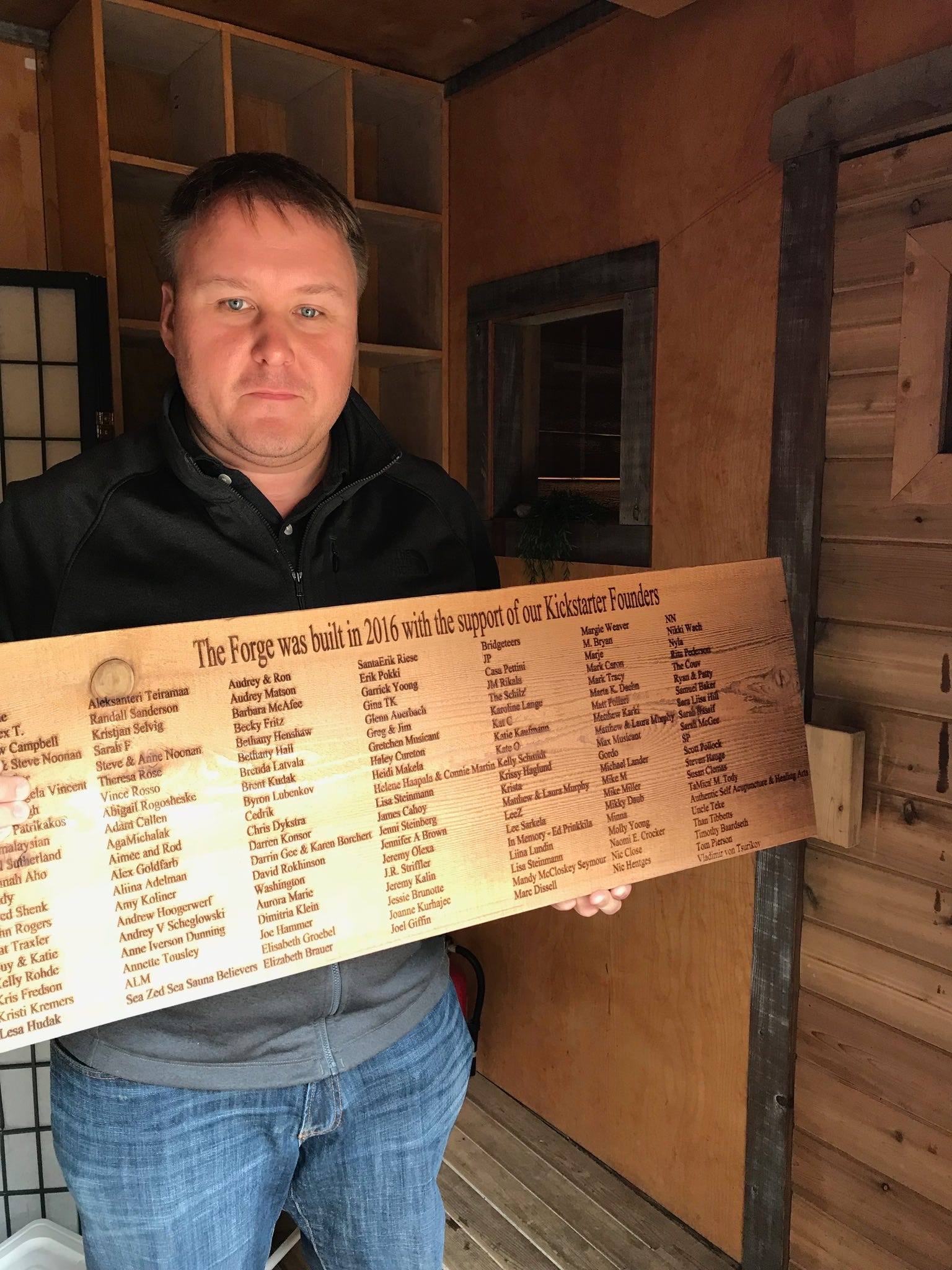
The complete roster of the Founding Members of the 612 Sauna Society Cooperative are listed on a plaque that was installed in the Forge during its first season providing community sauna reservations at The Loppet Trailhead.
Together we sparked a thermic bathing revival that—not only deserves the headlines it’s getting in Vogue and The Guardian—but is also built to last and provide others the joy of hosting sublime sauna sessions for their friends and neighbors.
See you on the bench,
- JP
For more history on the 612 Sauna Society, check out author Garrett Conover’s book Sauna Magic. Conover conducted extensive interviews with founding members and volunteers of the 612 Sauna Society throughout a two year period and and included a beautifully written and photographed chapter documenting the founding of the nation’s first Sauna Cooperative.

Notes:
The very first article on the Twin Cities sauna revival in 2014 by Jacob Wheeler of the City Pages. (City Pages went belly up a few years ago but you can still read the article here on Saunatimes.com.)
Special thanks to Lynn Derby, Rachael Hitsley, Scott and Anne Pollock and especially Lynn Smith and Chris Dykstra for opening up their backyards and giving the original 612 Sauna Society its deep roots of hospitality and neighborly fellowship.
Photo albums:
The early years: 612 Sauna Society at the Firehouse 2012 - 2016
612 Sauna Society at Little Box Sauna, Winter 2015/16
612 Sauna Society Kickstarter campaign party & residency at Surly Brew
6 12 Sauna Society Cooperative kickoff gala at the American Swedish Institute
The Coop’s first season at the Loppet Trailhead, Summer 2017